Ready to transform your hiring?Your next great hire is waiting.
Your next great hire is waiting.
Let AI find them.
Join engineering teams who replaced week-long hiring cycles with hours. No credit card required.
Join engineering teams who replaced week-long hiring cycles with hours. No credit card required.
Gen Z now makes up roughly a quarter or more of the global workforce, has overtaken the Baby Boomers in US labour-force share, and is the first generation to job-hunt in a market where the recruiter, the resume screen, and the first interview may all be AI. The collision of the most digitally native generation with the most automated hiring market in history is producing effects that employers consistently misread. The survey data tells a sharper story than the stereotypes.
Both things are true. 61% of Gen Z worry that AI will make it harder for their generation to enter the workforce - a fear the entry-level hiring squeeze has made concrete. Yet the same cohort is upskilling at a rate no previous generation matched: around 70% report developing new skills at least weekly, most of it outside working hours, much of it AI-related. They are not waiting for the labour market to save them - they are re-arming for it.
The lazy stereotype says Gen Z wants to work from bed. The data says otherwise: 71% prefer hybrid work, only 23% want fully remote, and a mere 6% want fully on-site. What they actually demand is not absence from the office but agency over their time - and they act on it: nearly three-quarters have left or considered leaving a job over inflexible work policies. Employers advertising rigid arrangements are pre-filtering this generation out before the first application.
A generation raised on instant digital feedback experiences a three-week resume black hole as contempt. Fast first steps - apply in minutes, interview on their own schedule, hear back in days - signal an employer that operates the way they expect the world to work. The process is the pitch.
Gen Z is notably more comfortable than older cohorts with AI-led first rounds, but their tolerance is conditional: tell them what is measured, keep humans in the final decision, and give real feedback. Meet those conditions and the asynchronous AI interview is genuinely preferred - it fits their schedule and strips out the rapport lottery. Violate them and they will read the Glassdoor-style receipts out loud, in public.
A generation facing an entry-level squeeze, carrying non-traditional credentials - bootcamps, self-teaching, portfolio work - and upskilling weekly is structurally advantaged by evaluation that tests ability instead of counting years. Employers who lead with skills-based assessment are not just being fair - they are optimising for exactly how this generation has prepared.
Every hiring trend of this decade - skills over credentials, transparency over mystery, speed over process theatre, AI with human accountability - happens to be precisely what the incoming workforce demands. Demography is quietly enforcing what the technology enabled.
Employers who redesign their funnels for Gen Z will discover the changes improve hiring for everyone: clearer processes, faster feedback, and evaluation on merit rather than pedigree were never generational preferences. They were always just better hiring - it took a generation with options to make them mandatory.
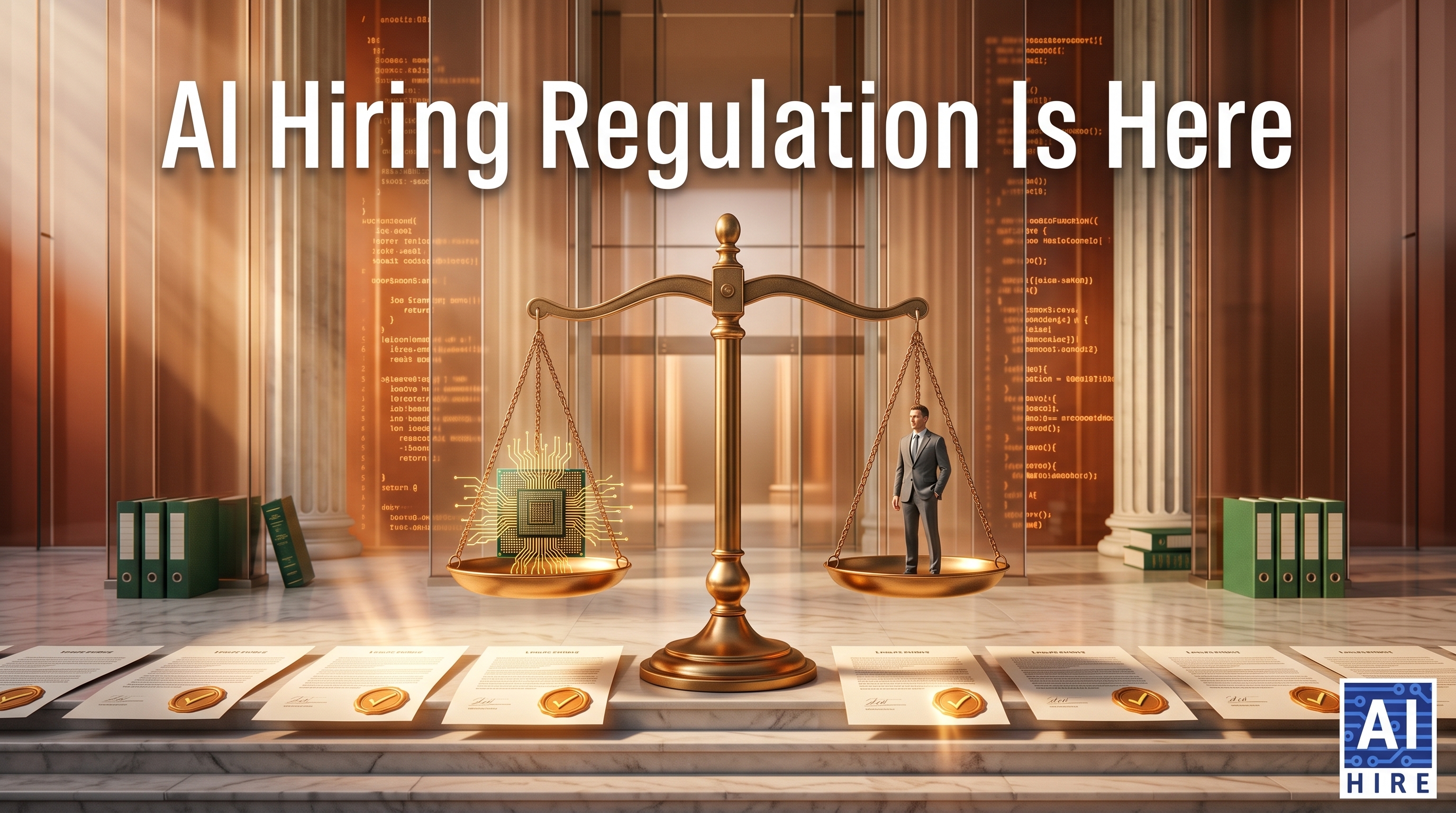
Between the EU AI Act, NYC Local Law 144, and spreading state laws, hiring is now among the most regulated uses of AI. What the rules require, and why they favour tools built honestly.
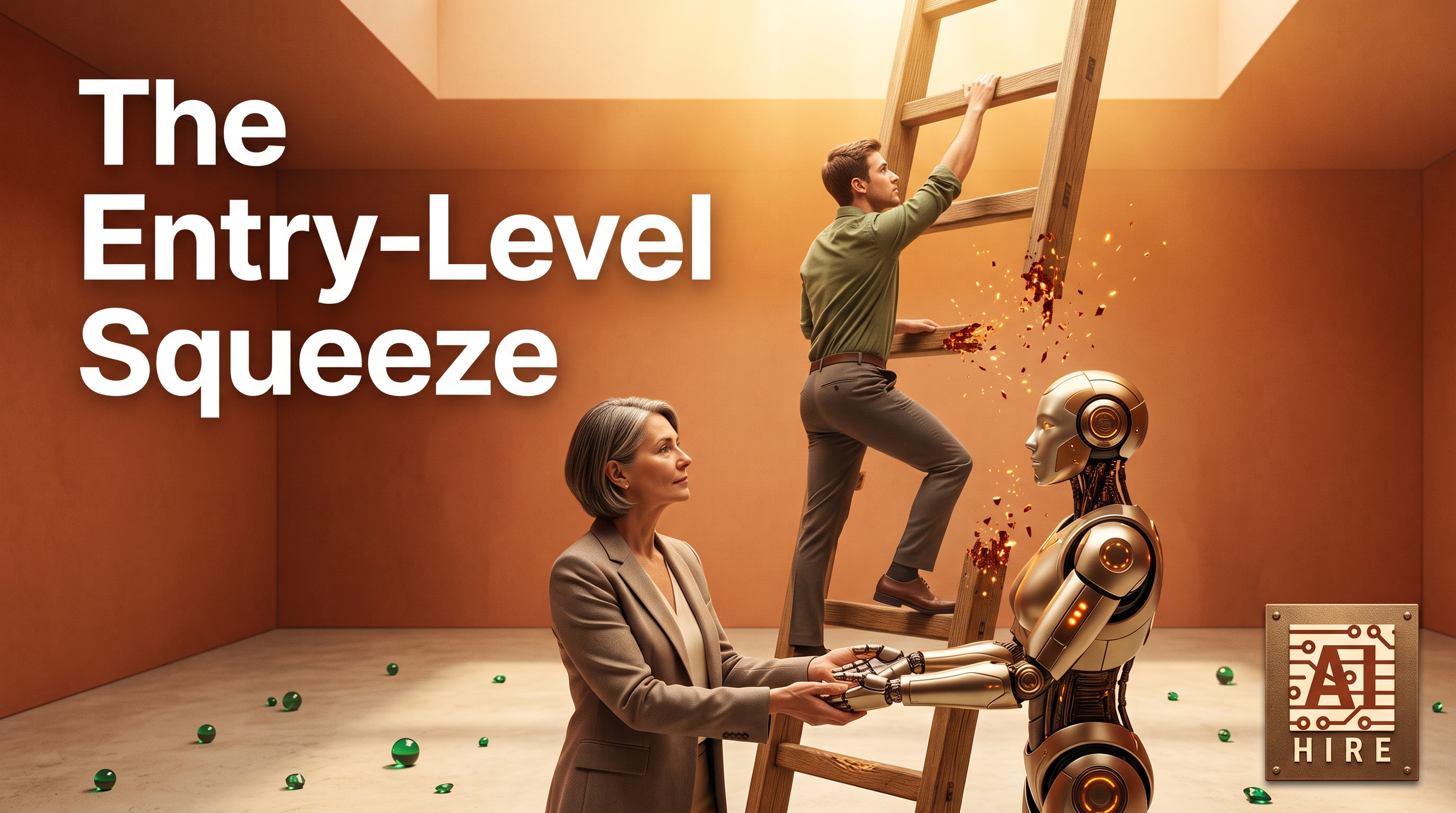
Entry-level postings are down 29 points since 2024 as AI absorbs the drudgery that once trained juniors. What is really disappearing, the paradox employers face, and how both sides adapt.
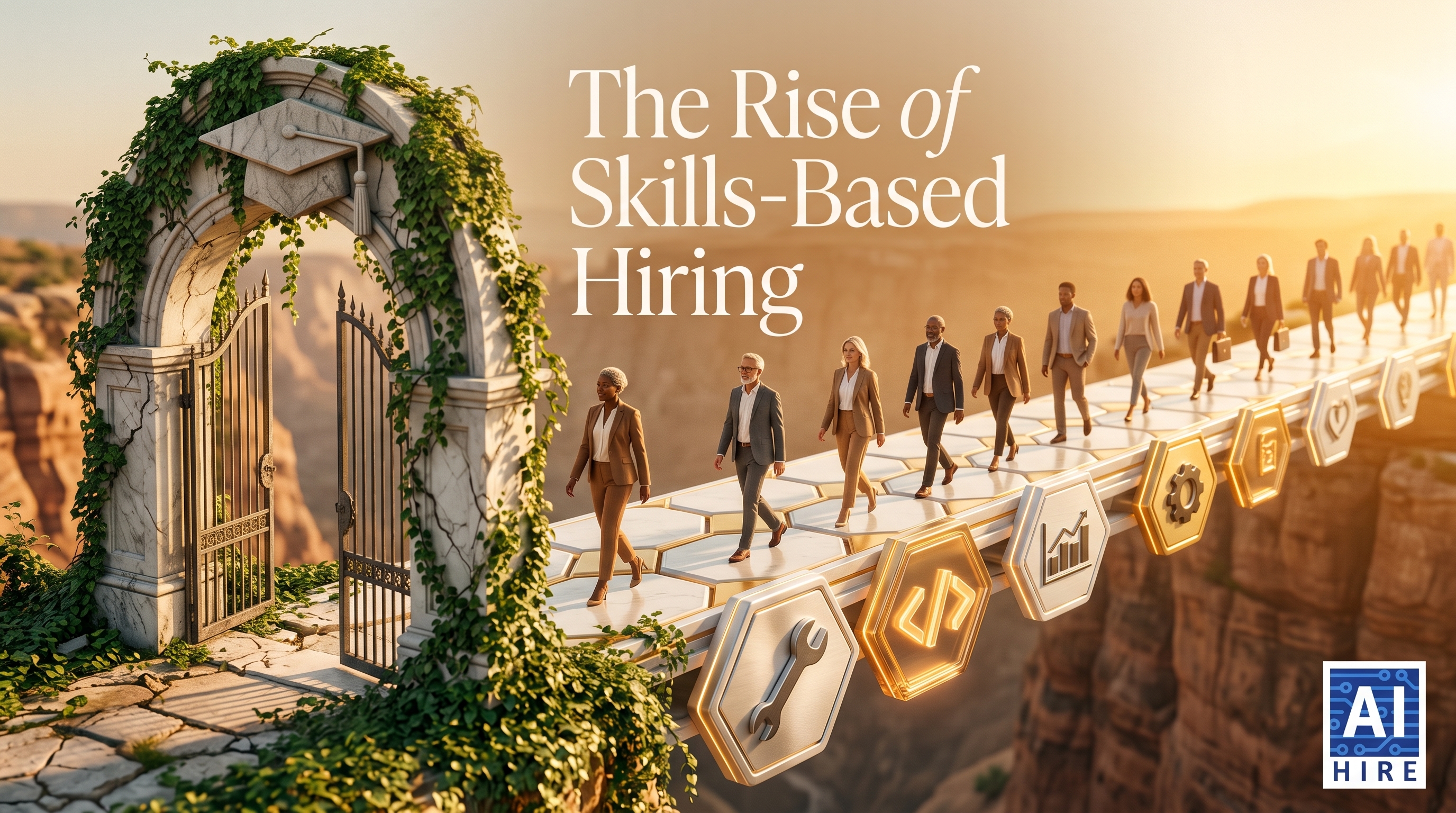
The degree was a proxy that survived because verification was expensive. AI interviews and auto-scored assessments made verification cheap - and the proxy is dying. What broke, the evidence, and what comes next.