Ready to transform your hiring?Your next great hire is waiting.
Your next great hire is waiting.
Let AI find them.
Join engineering teams who replaced week-long hiring cycles with hours. No credit card required.
Join engineering teams who replaced week-long hiring cycles with hours. No credit card required.
Interview formats have transformed beyond recognition - AI interviewers, asynchronous video, structured panels, skills assessments. Yet one piece of advice from the 1980s has not merely survived the transition - it has become more valuable. The STAR method - Situation, Task, Action, Result - is the single highest-leverage answering technique in modern hiring, and the reason is simple: every serious evaluation format, human or AI, now scores answers against rubrics that reward exactly what STAR forces you to provide.
Modern interviews - especially AI-led ones - evaluate the content of your answers: specificity, your personal contribution, and measurable outcomes. Rambling answers fail rubrics not because evaluators are strict, but because unstructured answers usually omit the scoreable substance entirely. Candidates talk about the situation for three minutes and never state what they did or what happened. STAR is simply a checklist that guarantees the evidence gets said out loud.
Question: Tell me about a time you handled a conflict on your team.
Answer: On a product launch last spring, our designer and lead engineer were deadlocked over a checkout redesign, and the launch was two weeks out (Situation). As project lead I had to resolve it without losing either of them or the date (Task). I met each separately to understand the real concern - performance versus usability - then ran a two-day A/B prototype so we argued about data instead of opinions (Action). The hybrid version shipped on time and raised checkout conversion 12%, and the two now prototype disagreements by default (Result).
Forty seconds, four beats, and it hands any rubric - human or AI - everything it wants: conflict handling, initiative, a method, and a quantified outcome.
Do not script answers word for word - scripted delivery collapses under follow-up questions, which AI interviewers ask by design. Instead, prepare six to eight stories in STAR form covering the classic ground: a conflict, a failure, a tight deadline, a leadership moment, a technical challenge, a time you changed your mind. Rehearse them out loud - practising with an AI mock interviewer is ideal, since it recreates the real pacing and probes exactly where your stories are thin.
Hiring is converging on evidence: structured formats, skills-based evaluation, transcripts scored against requirements. STAR endures because it is an evidence-delivery mechanism. Master it once, and you carry an advantage into every format the industry invents next.
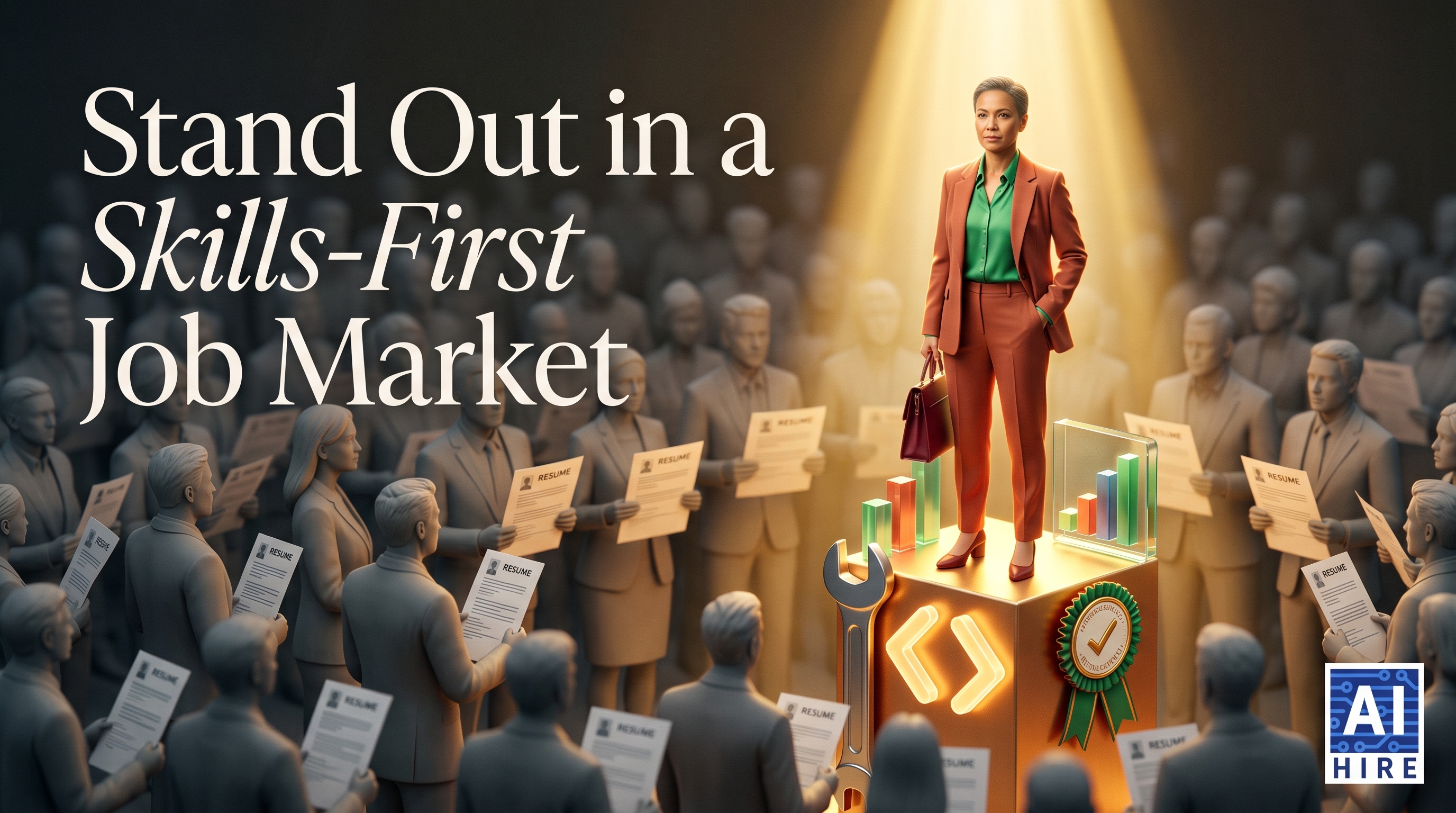
Skills-first hiring inverted the rules: demonstration beats signalling. How to win each stage - targeted applications, assessments as the real interview, proof-of-work, and AI as coach.
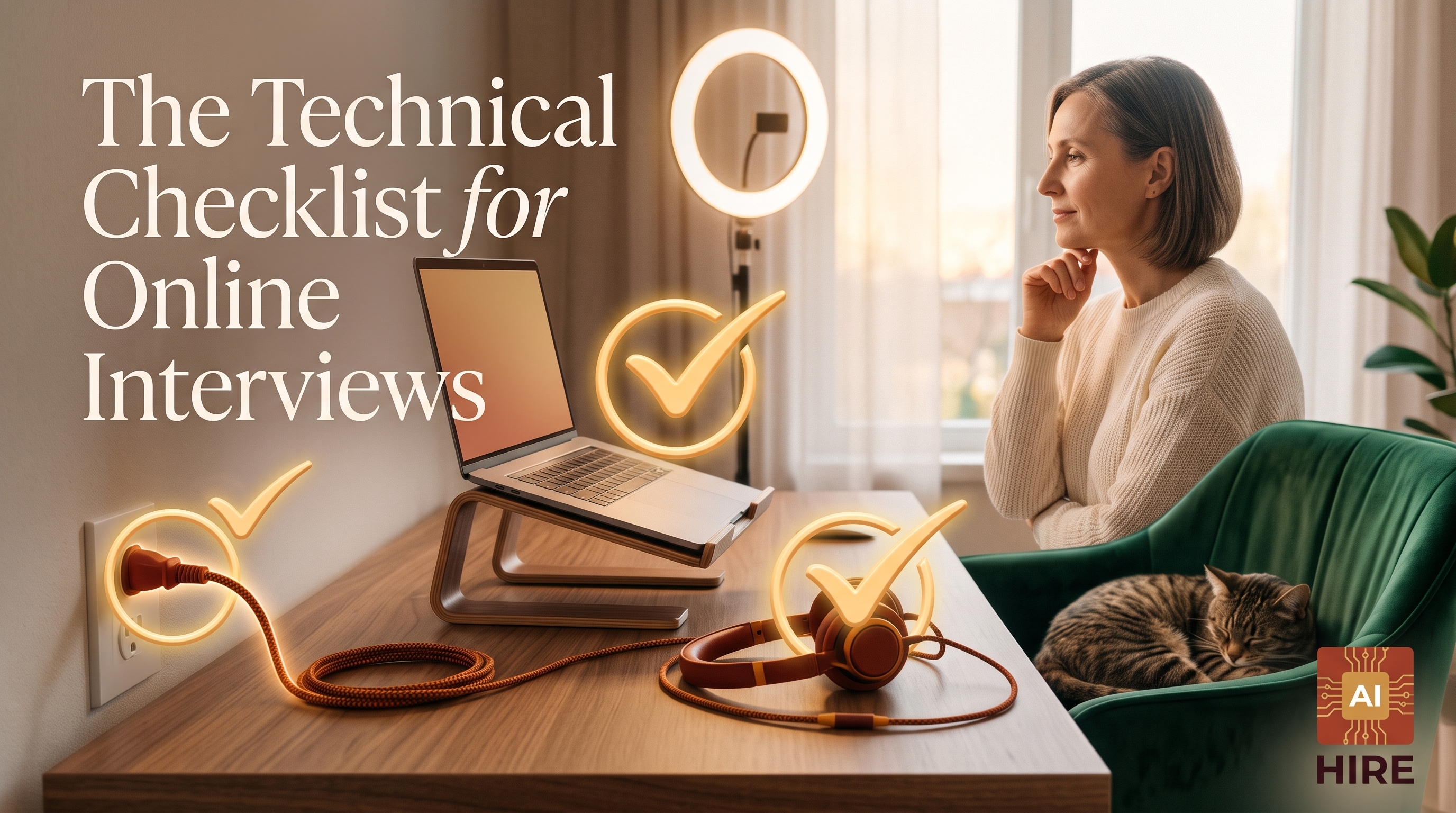
Technical problems are the top preventable reason candidates underperform online - and when an AI is transcribing you, audio quality is scoring quality. The full preflight checklist.
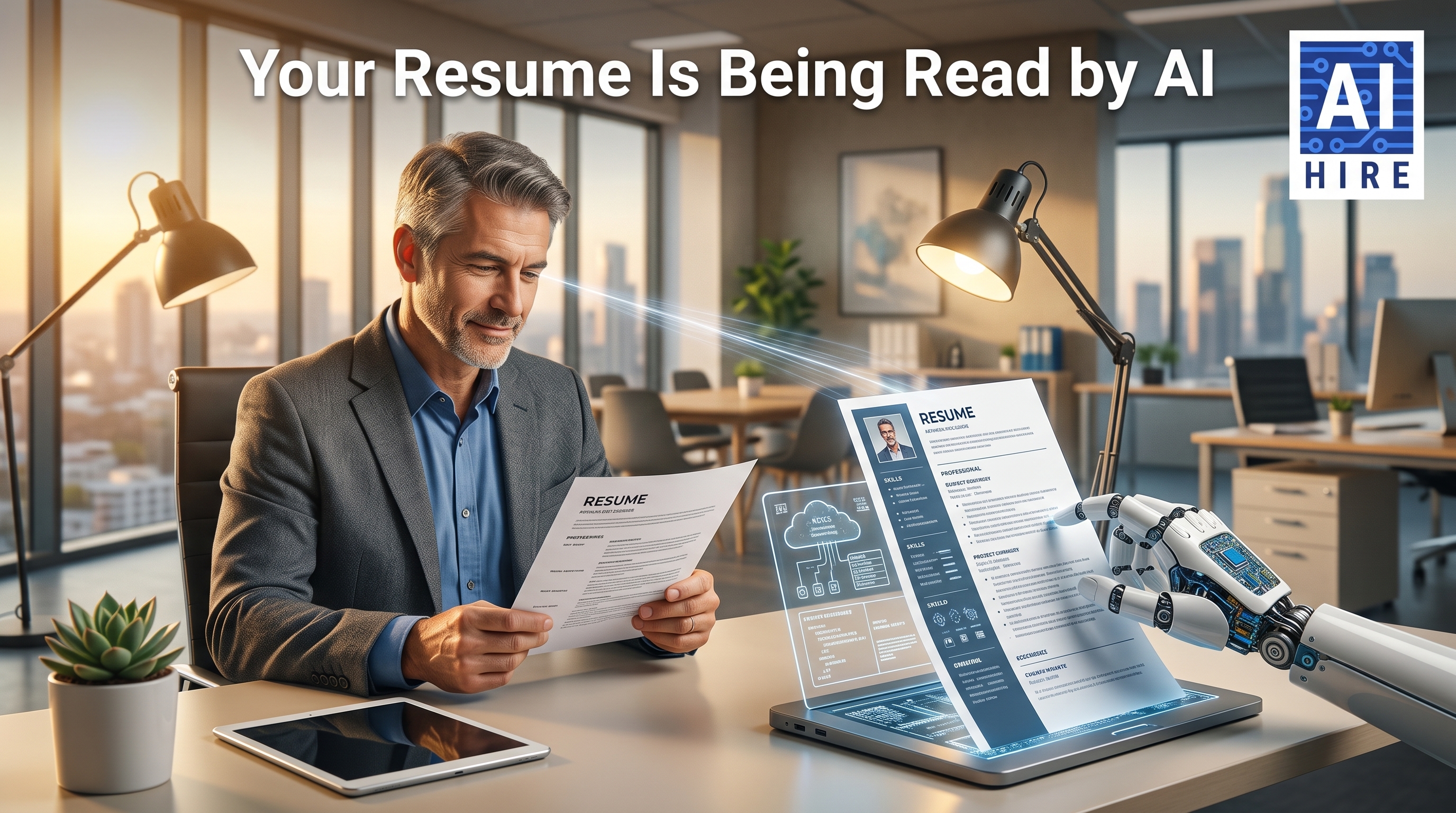
Before a human sees your resume, software will. How to write a CV that parses cleanly, ranks honestly, and survives the AI interview that now tests every claim on the page.