Ready to transform your hiring?Your next great hire is waiting.
Your next great hire is waiting.
Let AI find them.
Join engineering teams who replaced week-long hiring cycles with hours. No credit card required.
Join engineering teams who replaced week-long hiring cycles with hours. No credit card required.
Before a human sees your resume - if one ever does - software almost certainly will. The overwhelming majority of mid-size and large employers run applications through automated screening, and increasingly that software is not a dumb keyword matcher but an AI that reads your CV roughly the way a fast, literal-minded recruiter would. Writing for this reader is a skill, and it is learnable. The core principle: what helps the AI understand you also helps the human who reads you next. There is one resume strategy, not two.
AI parsers extract your history into structured data: roles, dates, skills, achievements. Help them:
If the posting says “stakeholder management” and your resume says “coordinated with various parties,” you have made the reader do translation work, and automated readers do not always bother. Use the actual terminology of your field and of the specific posting - where it is true. This is not keyword stuffing - it is writing in the shared vocabulary of the role. Keyword stuffing, by contrast, fails immediately in 2026: the AI interview or skills assessment that follows will probe every claim on the page.
“Responsible for social media” tells any evaluator almost nothing. “Grew organic social traffic 40% in six months and cut cost-per-lead by a third” gives both the algorithm and the human concrete, rankable evidence. The formula is stable: verb, scope, outcome, number. One quantified achievement outweighs five duties.
With nearly 70% of employers practising skills-based hiring, the skills section is no longer decoration - it often feeds directly into matching algorithms and interview generation. List real, specific, current skills. Every entry is a claim you may be asked to defend in a structured interview, so audit the list: if you would not want a follow-up question on it, remove it.
White-text keywords, AI-written fiction, inflated titles - the screening AI may let them through, but the AI interview on the other side of the gate will ask you about them, in detail, with follow-ups. The modern pipeline does not just read claims. It tests them.
Here is the encouraging part candidates miss: as evaluation moves from resume-filtering toward skills-testing, the resume matters less than it used to. On skills-first platforms like AIHire.io, every applicant can get a structured interview - your CV gets you organised, but your demonstrated ability gets you shortlisted. Write a clean, honest, parseable resume, then put your real preparation where the decision now happens: the interview.
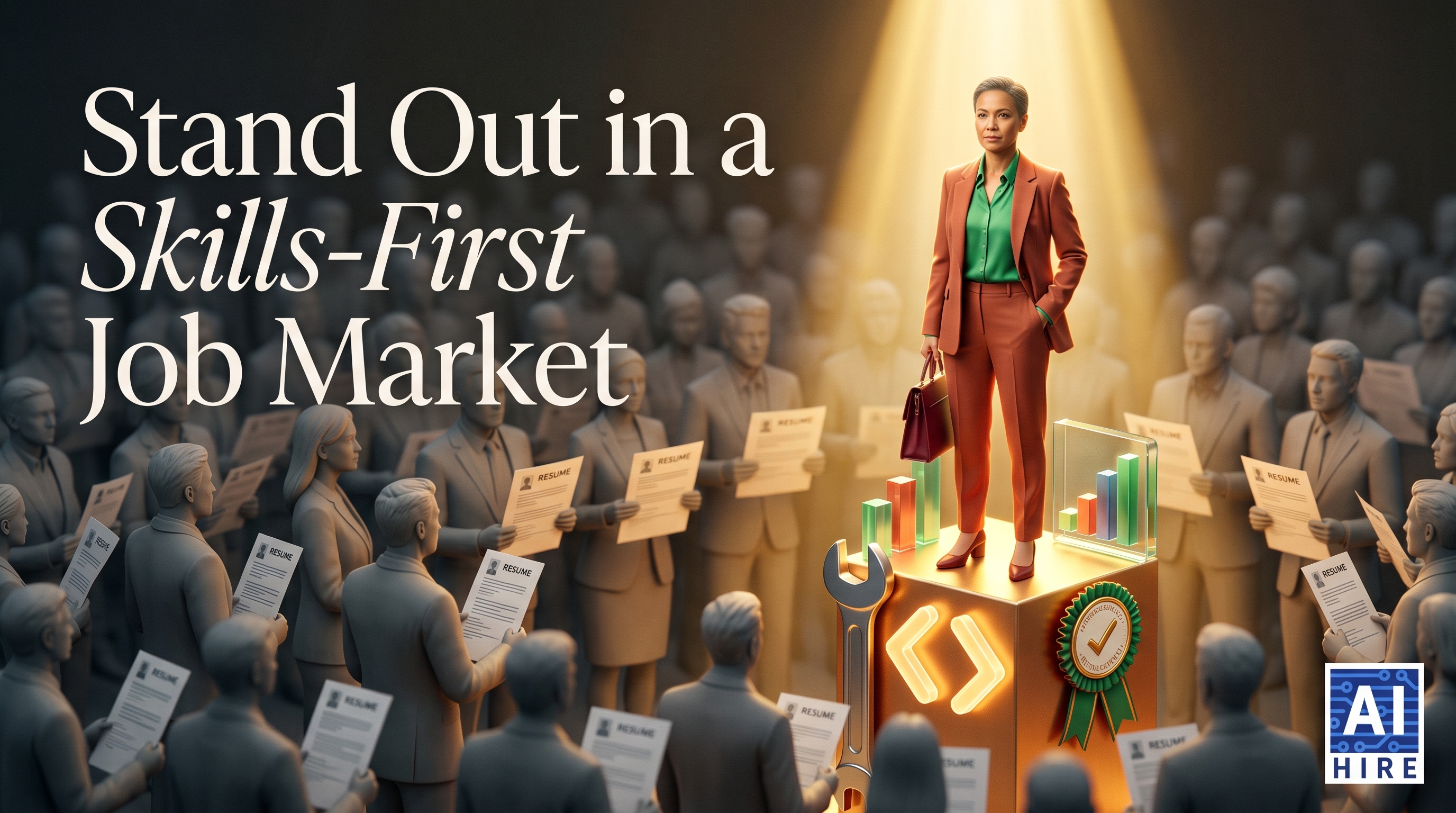
Skills-first hiring inverted the rules: demonstration beats signalling. How to win each stage - targeted applications, assessments as the real interview, proof-of-work, and AI as coach.
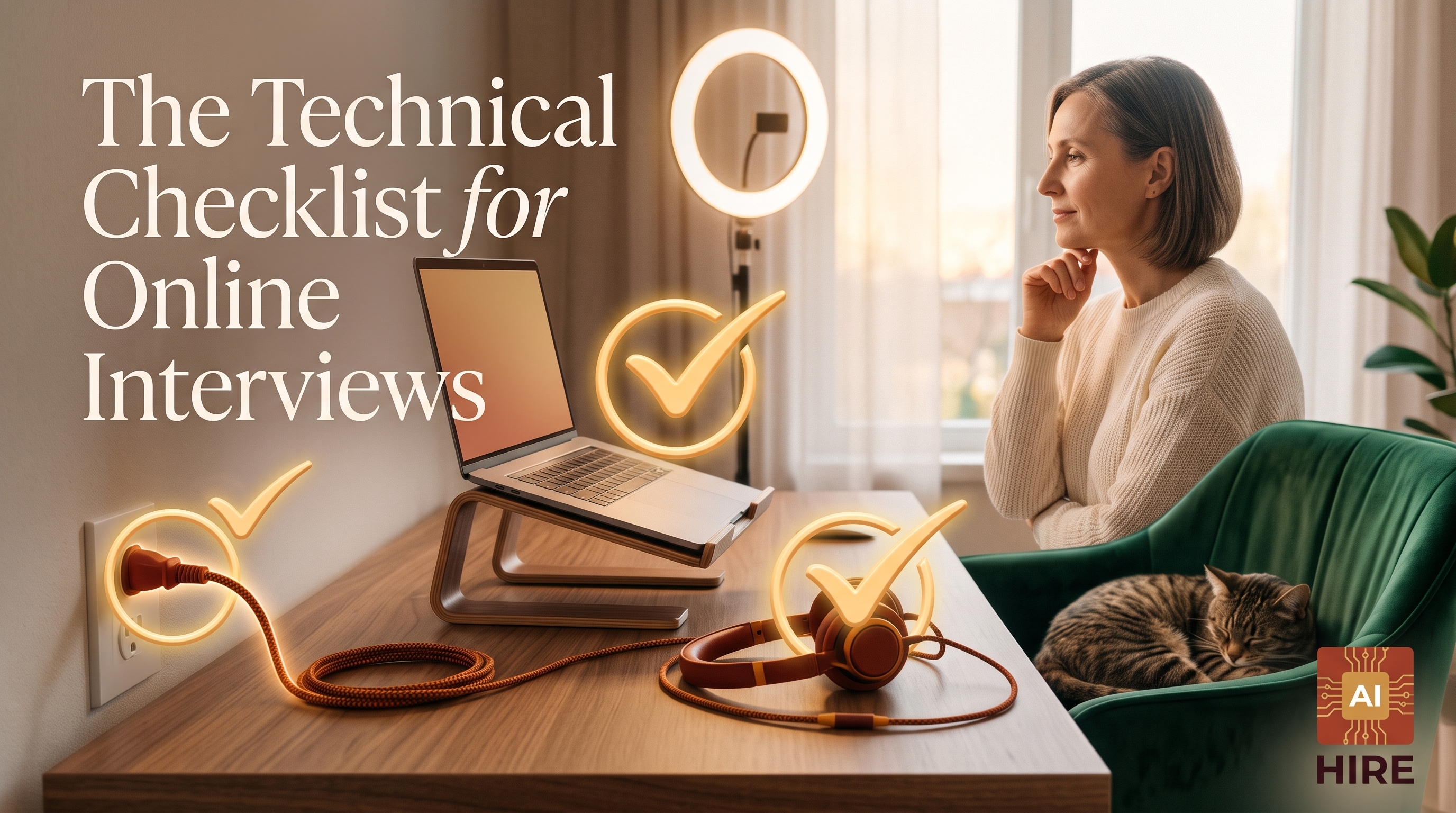
Technical problems are the top preventable reason candidates underperform online - and when an AI is transcribing you, audio quality is scoring quality. The full preflight checklist.
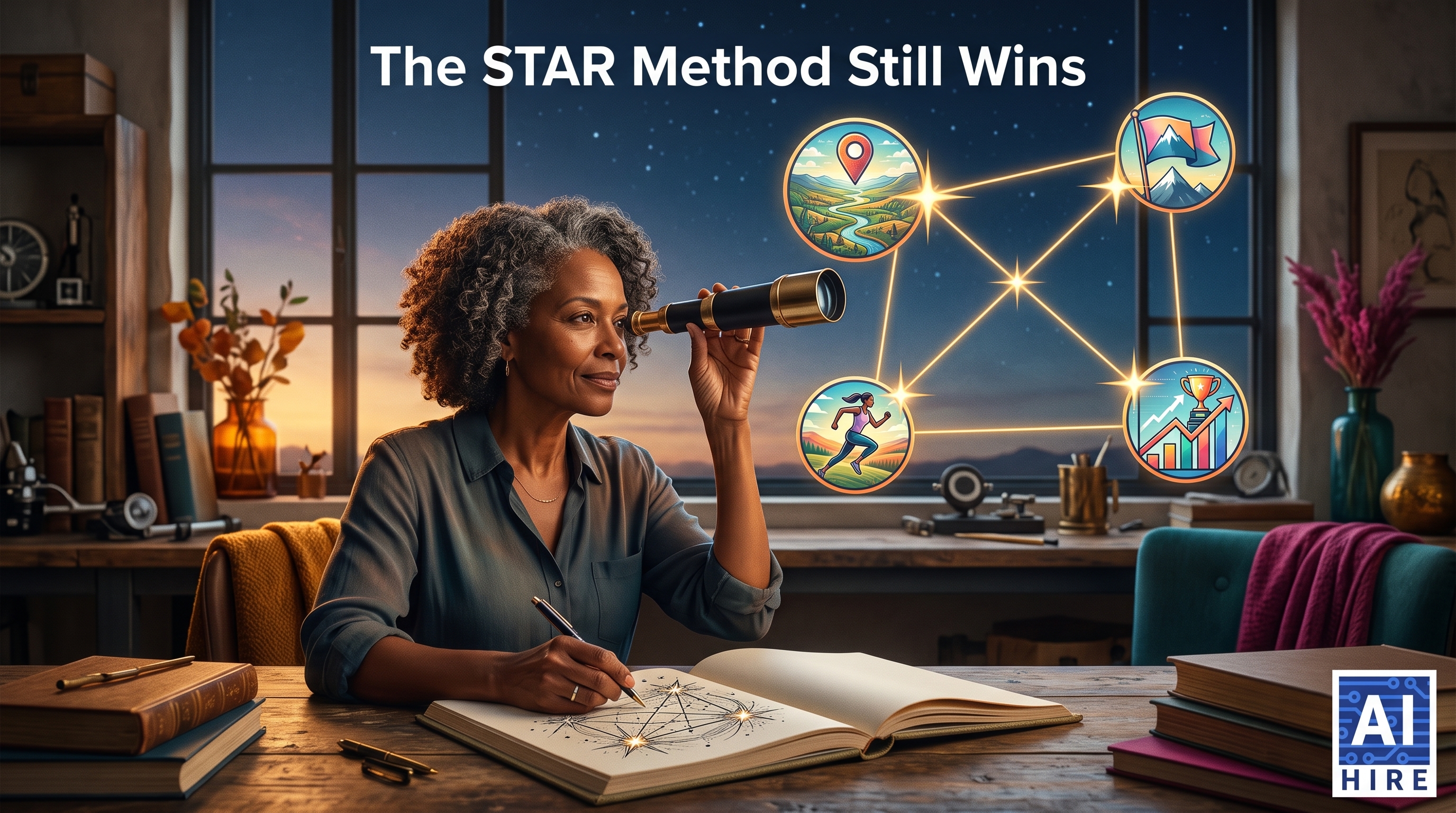
Interview formats changed beyond recognition - the STAR method got more valuable, not less. Why rubric-based and AI evaluation rewards structured answers, with a worked example and a prep plan.