Ready to transform your hiring?Your next great hire is waiting.
Your next great hire is waiting.
Let AI find them.
Join engineering teams who replaced week-long hiring cycles with hours. No credit card required.
Join engineering teams who replaced week-long hiring cycles with hours. No credit card required.
Ask ten people whether AI makes hiring fairer and you will get two confident, opposite answers. Enthusiasts point to algorithms that ignore names, faces, and postcodes. Sceptics point to Amazon’s infamous scrapped resume model that learned to penalise the word “women’s”. Both camps are working from real evidence. The honest answer is more useful than either slogan: AI reduces some biases, amplifies others if unmanaged, and the difference is entirely in the design.
Decades of research have documented the failure modes of unstructured human screening: identical resumes get different callback rates depending on the name at the top - interviewers decide in the first four minutes and spend the rest confirming - the last candidate of the day is judged more harshly than the first. None of this is malice - it is cognition. And it is remarkably resistant to training.
AI inherits the data it is trained on. A model trained to imitate past hiring decisions will faithfully reproduce past discrimination - that is the Amazon lesson. The failure modes to watch for:
AI does not make hiring fair or unfair. Design choices do. Evaluate skills, not proxies. Score transcripts, not faces. Audit outcomes, not intentions. Keep humans in the decision.
Candidates are watching closely: surveys show two-thirds of applicants are wary of AI in hiring decisions, and only about a quarter trust it to evaluate them fairly. That trust gap is the industry’s to close - with transparency about what is measured, published audits, and human review of every consequential decision.
At AIHire.io, the interview evaluates what candidates say about the skills the role requires - never facial analysis, never emotion inference. Scores link to transcript evidence, employers can override any rating with an audit trail, and the AI never auto-rejects anyone. Done this way, AI does not just match the fairness of human screening. It exceeds it, and it can prove it - which is something the firm handshake and the gut feel never could.
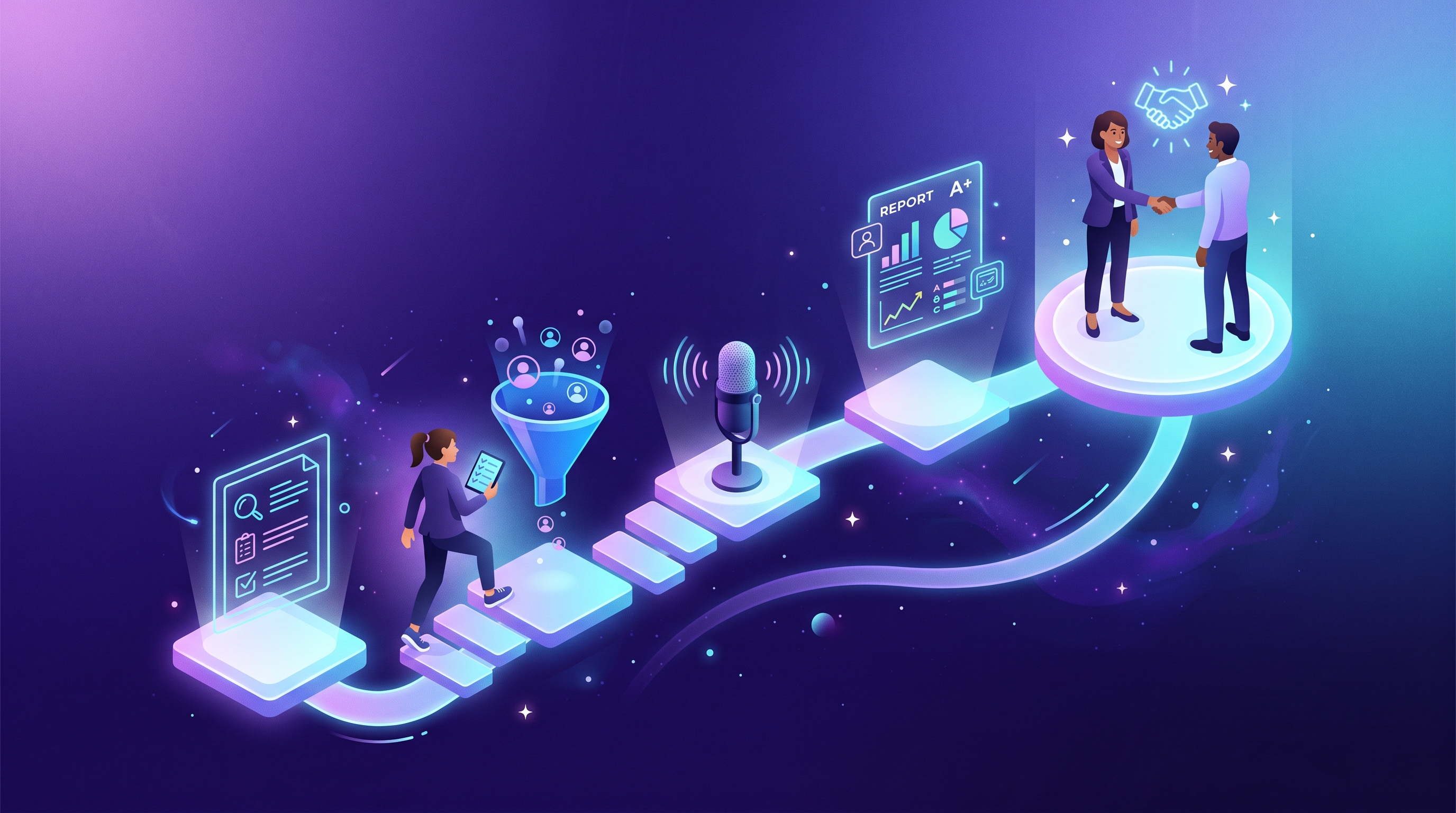
AI interviews reward good setup. A practical five-step playbook for your first AI-powered hiring round - from writing the job as an evaluation spec to reading reports like a pro.
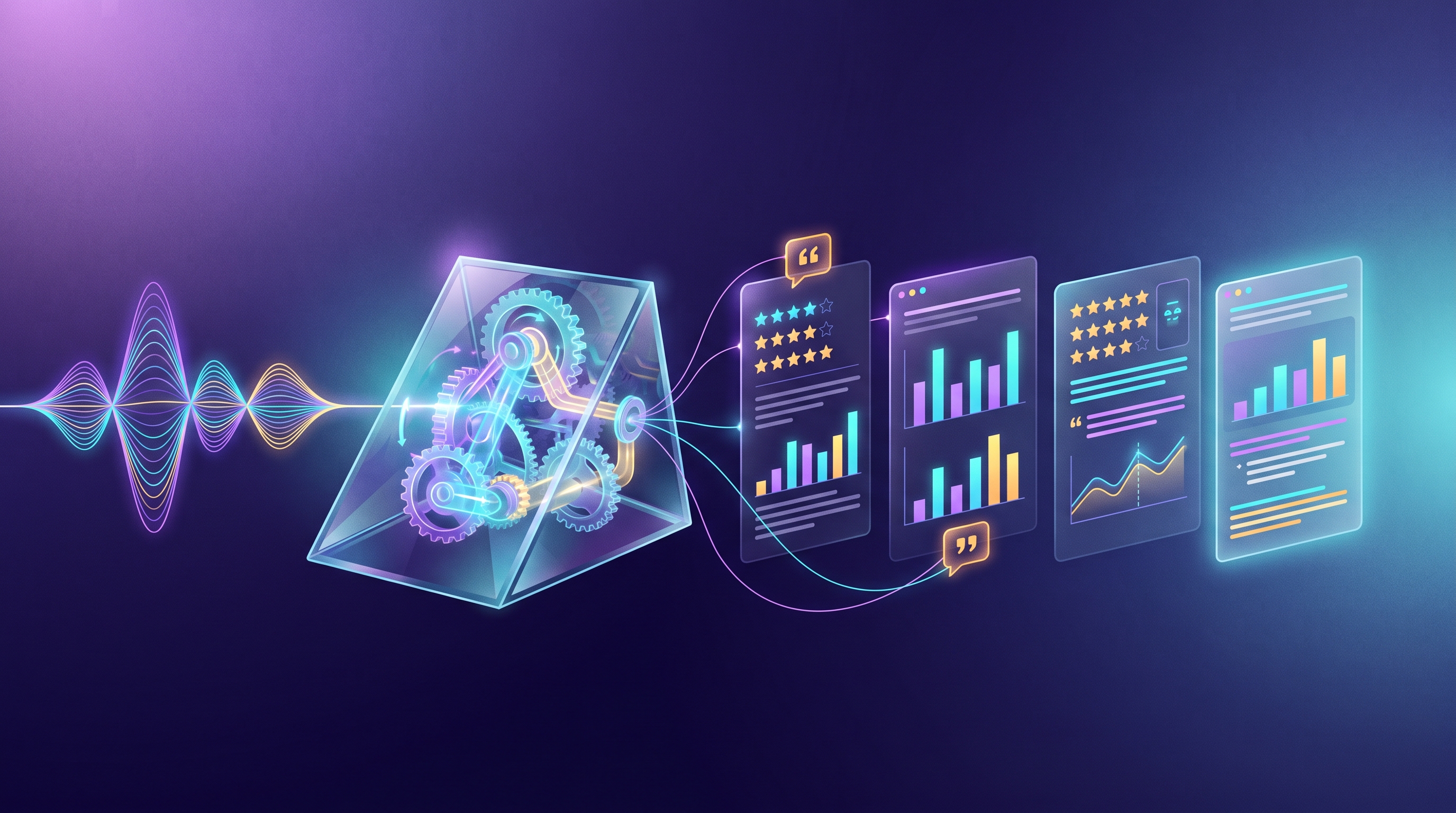
If an AI interview influences who gets hired, its scoring should not be a black box. A step-by-step look at how a live conversation becomes a structured, evidence-backed report.
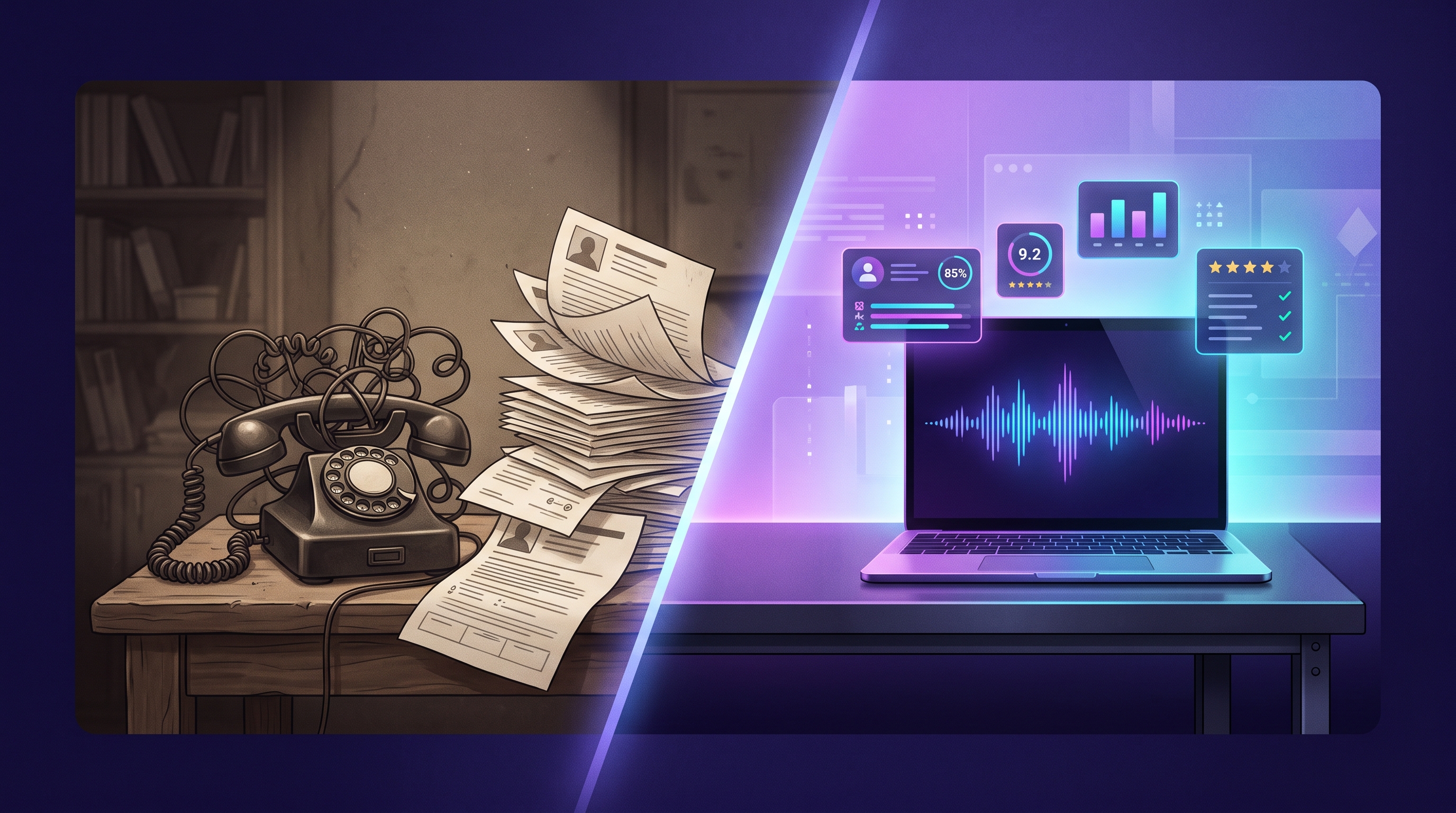
Phone screens are slow, inconsistent, and rarely audited. We put the traditional recruiter screen head-to-head with AI-led interviews across speed, fairness, depth, and candidate experience.